Qingping PM Sensor Review: Specs, Pros and Cons
As an Amazon Associate we earn from qualifying purchases. Links on this page are affiliate links.
In this qingping pm sensor review, we examine the Qingping Laser PM2.5 and PM10 Sensor (model CGDU1). This device uses laser scattering technology to measure particulate matter. It targets PM2.5 and PM10 levels in your air. The sensor features a magnetic levitation fan for fast response. It also includes high-quality optical components for reliable readings. The measurement range covers 0 to 999 μg/m³ for both pollutants. Its compact size is 49.5 × 37 × 11.8 mm. Note that this sensor is compatible with the Qingping Air Monitor 2, which is sold separately.
What stands out
- Laser scattering technology for accurate PM2.5 and PM10 detection
- Magnetic levitation fan ensures fast response and reliability
- Measurement range of 0 to 999 μg/m³ for both pollutants
- Compact dimensions of 49.5 × 37 × 11.8 mm
- Compatible with the Qingping Air Monitor 2 (sold separately)
Who it fits
Good fit for
This sensor suits users who already own or plan to buy the Qingping Air Monitor 2. It is ideal for those who need precise PM2.5 and PM10 data. The laser scattering method provides consistent readings. The small size fits easily into existing setups. If you want reliable air quality metrics without buying a full standalone unit, this add-on is a practical choice. It integrates seamlessly with compatible Qingping hardware for comprehensive monitoring.
Who should skip it
Skip this product if you need a standalone air monitor. This sensor does not display data on its own. You must pair it with the Qingping Air Monitor 2, which is sold separately. It lacks a built-in screen or standalone app interface. If you want a complete unit with immediate visual feedback, choose a different model. This is an accessory, not a complete device. It is not suitable for users who want a single, self-contained air quality solution.
Verdict: The Qingping Laser PM2.5 and PM10 Sensor offers precise measurements for compatible displays. It is a solid add-on for existing Qingping setups but requires separate hardware to function.
Qingping Sensor Key Specs Explained
Sensor Technology: Laser scattering
This technology uses a laser beam to detect particles as they pass through the sensor. It is generally more accurate than older light scattering methods. You get reliable readings for PM2.5 and PM10. This helps you track air quality changes precisely. Compare this with standard sensors that may lag or drift over time.
Target Pollutants: PM2.5, PM10
The device measures fine particles under 2.5 microns and larger particles under 10 microns. These are common indoor pollutants from dust, smoke, and allergens. Monitoring both gives you a fuller picture of air health. This is useful if you have respiratory sensitivities. Check if your air purifier filters match these particle sizes.
Measurement Range: PM2.5/PM10: 0 ~ 999 μg/m³
The sensor covers a wide range from clean air to heavy pollution. This ensures it works in various environments, from homes to offices. You will not hit a ceiling during high pollution events. This range is standard for quality monitors. It allows you to see the full scale of air quality shifts.
Size: 49.5 × 37 × 11.8 mm
The compact dimensions make it easy to place on a desk or shelf. It does not take up much space in your room. The small footprint allows flexible positioning for better air sampling. You can hide it in corners or near windows. This size is ideal for discreet monitoring in living spaces.
Compact Design and Build Specs
The Qingping Laser PM2.5 and PM10 Sensor (model CGDU1) is built for precise indoor placement. According to the listing, the unit measures 49.5 × 37 × 11.8 mm. This small footprint allows you to position it on a shelf, desk, or windowsill without taking up much space. The low profile ensures it does not obstruct your view or daily activities in a room.
The device relies on high-quality optical components and a magnetic levitation fan. These internal parts are chosen for fast response times and consistent reliability. The magnetic levitation fan reduces mechanical friction, which helps maintain accurate readings over time. You get stable performance without the wear associated with traditional bearings.
This sensor is designed to work with the Qingping Air Monitor 2, which is sold separately. It does not operate as a standalone display unit. You will need to integrate it into that ecosystem to view the data. The build focuses on internal precision rather than external features. There are no visible buttons or screens on the sensor itself. Its design prioritizes accurate measurement of PM2.5 and PM10 levels within your specified range of 0 to 999 μg/m³.
Setup And Daily Use Guide
You will need to pair this sensor with the Qingping Air Monitor 2 to use it. The listing notes that the monitor is sold separately. This means the sensor does not operate as a standalone display unit. You likely connect it to the monitor via a standard interface, though specific cable types are not listed. Once connected, the device begins measuring immediately. It uses a laser scattering principle to detect particles. A magnetic levitation fan draws air through the optical chamber. This fan design aims for fast response times. You get readings without significant delay when air quality changes. The measurement range covers PM2.5 and PM10 from zero to 999 micrograms per cubic meter. This wide range handles both clean indoor air and heavy pollution events. The compact size of 49.5 by 37 by 11.8 millimeters allows you to place it on a shelf or desk. High-quality optical components help ensure consistent accuracy. You can trust the readings for tracking daily trends. The laser technology provides reliable data for both fine and coarse particulates. You do not need to recalibrate it frequently if you keep it in a stable indoor environment. Just ensure the air intake is not blocked by furniture or walls. The magnetic levitation fan reduces mechanical wear, which supports long-term reliability. You simply monitor the data on your separate Qingping Air Monitor 2 screen. The setup is straightforward if you already own the compatible hub. No complex software installation is mentioned, so you likely use the Qingping app or the monitor’s display. This makes daily use simple and unobtrusive in your home office or living room.
Check Compatibility And Placement
Before you buy this Qingping PM Sensor, consider how it fits into your current air quality monitoring setup. This device is a component, not a standalone unit. You must own the Qingping Air Monitor 2 to view its data. The sensor is sold separately, so ensure you have the compatible display ready. Its compact size of 49.5 × 37 × 11.8 mm allows easy placement near your monitor. It measures PM2.5 and PM10 using laser scattering. This technology offers accurate readings for particulate matter. You do not need to clean filters, as there are none. However, you should keep the sensor free from dust buildup to maintain accuracy. It complements air purifiers by providing precise data on particle levels. This helps you adjust purification settings based on real-time PM2.5 and PM10 concentrations. Check your existing Qingping ecosystem for compatibility. This sensor enhances your understanding of indoor air quality when paired correctly with the required monitor.
Check before you buy
- Confirm you have the Qingping Air Monitor 2 ready for pairing.
- Verify the sensor fits your chosen display location on a shelf or desk.
- Ensure the environment is suitable for laser scattering PM2.5 and PM10 measurement.
- Check if your current Qingping devices support this specific CGDU1 sensor model.
The product at a glance
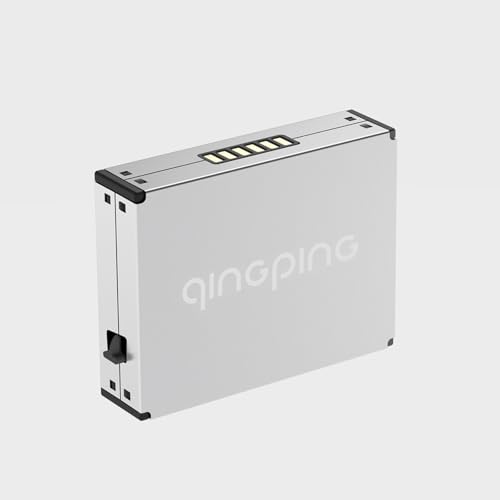
Qingping Laser PM2.5 and PM10 Sensor
Best for: Users with Qingping Air Monitor 2
- Target Pollutants
- PM2.5, PM10
- Sensor Technology
- Laser scattering
View on Amazon: Qingping Laser PM2.5 and PM10 Sensor Affiliate link
The Qingping CGDU1 is a compact particulate matter sensor measuring PM2.5 and PM10 levels. It uses laser scattering technology with high-quality optical components and a magnetic levitation fan for fast, reliable readings. The device covers a range of 0 to 999 μg/m³. Its small size allows it to fit easily into your space. This sensor is designed to work with the Qingping Air Monitor 2, which you must purchase separately.
Pros
- Laser scattering technology for accurate PM2.5 and PM10 measurement
- Magnetic levitation fan ensures fast response and reliability
- Wide measurement range of 0 to 999 μg/m³
- Compact dimensions of 49.5 × 37 × 11.8 mm
Cons
- Requires separate purchase of Qingping Air Monitor 2
- Only measures PM2.5 and PM10, not other pollutants
- No built-in display or local readout mentioned
Good fit if
- You need precise PM2.5 and PM10 data for your air monitor
- You want a small sensor that fits discreetly in your room
- You already own or plan to buy the Qingping Air Monitor 2
Skip if
- You need a standalone device with a built-in display
- You want to measure gases or VOCs in addition to particles
- You prefer a sensor that works without additional hardware
Verdict: Qingping CGDU1 PM Sensor provides accurate particle data for users who already have or plan to buy the Qingping Air Monitor 2. It is ideal for those who need a small, reliable sensor for PM2.5 and PM10 monitoring.
Specifications side by side
| Spec | Qingping Laser PM2.5 and PM10 Sensor |
|---|---|
| Target Pollutants | PM2.5, PM10 |
| Sensor Technology | Laser scattering |
| Target Pollutant | PM2.5, PM10 |
| Model | CGDU1 |
Frequently asked questions
What model number is the Qingping PM sensor?
The device is identified as the Qingping CGDU1. This model is designed specifically to measure particulate matter in your indoor environment. It focuses on PM2.5 and PM10 levels. You will see this code on the product listing and packaging. It helps you verify you are purchasing the correct component for your setup.
Does the Qingping PM sensor work alone?
No, it does not operate as a standalone unit. You must pair it with the Qingping Air Monitor 2 to view data. The sensor itself does not have a display screen. It sends readings to the monitor, which is sold separately. You need the monitor to see the actual numbers.
What pollutants does the Qingping CGDU1 detect?
This sensor targets PM2.5 and PM10 particles. PM2.5 refers to fine inhalable particles, while PM10 includes larger coarse particles. The device uses laser scattering technology to measure these specific sizes. It does not measure gases like carbon dioxide or volatile organic compounds. It focuses strictly on particulate matter.
Who is this sensor best for?
It is best for users who already own or plan to buy the Qingping Air Monitor 2. If you want to expand your monitoring range, this sensor adds extra data points. It provides accurate particle data for your existing setup. It is ideal for those needing reliable PM2.5 and PM10 monitoring in different rooms.
How small is the Qingping PM sensor?
The unit measures 49.5 by 37 by 11.8 mm. This compact footprint allows you to place it on shelves or desks. Its small size makes it easy to position in various locations. You can move it around your home to check air quality in different spots without it taking up much space.
What technology does the Qingping sensor use?
It uses laser scattering technology to detect particles. A laser beam identifies particles as they pass through the sensor. This method is generally more accurate than older light scattering techniques. You get reliable readings for PM2.5 and PM10 levels. This helps you track changes in air quality precisely over time.